• San Lazzaro degli Armeni

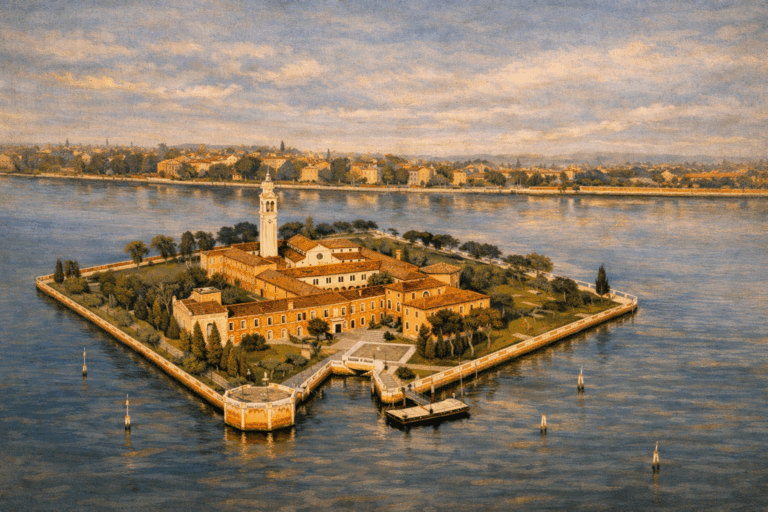
    San Lazzaro degli Armeni (“Saint Lazarus of the Armenians”; sometimes called Saint Lazarus Island in English; Armenian: Սուրբ Ղազար) is a small island in the Venetian Lagoon which has been home to the monastery of the Mekhitarists, an Armenian Catholic congregation, since 1717. It is one of the two primary centers of the congregation, along…
  • Armenian Street, Singapore

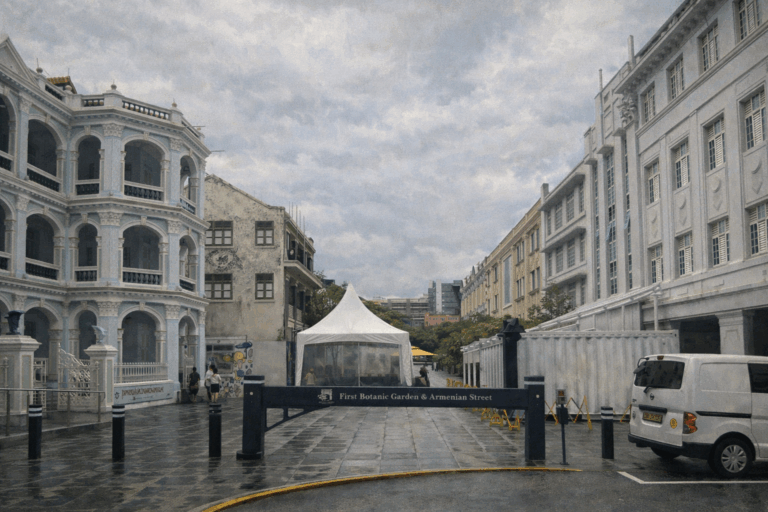
    Armenian Street is a street in Central Singapore located in the Museum Planning Area. The street covers a short distance that starts from Coleman Street and ends at the junction of Stamford Road and Waterloo Street. The road houses a couple of landmarks including The Substation and the Old Tao Nan School which is the…

  • Rocca degli Armeni, Calabria

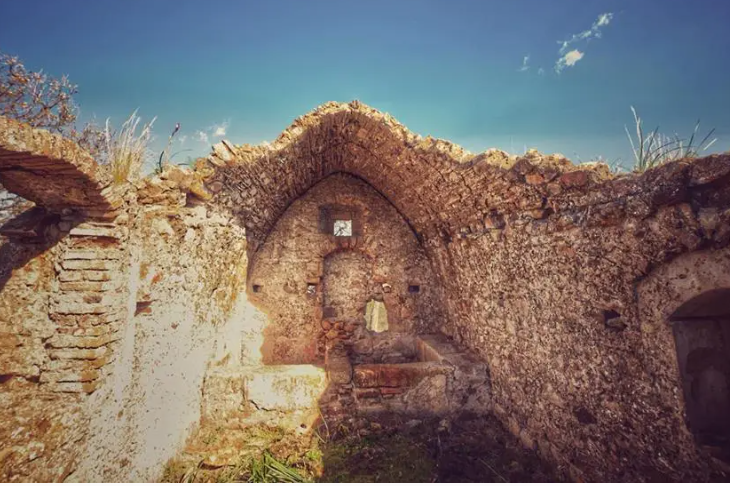
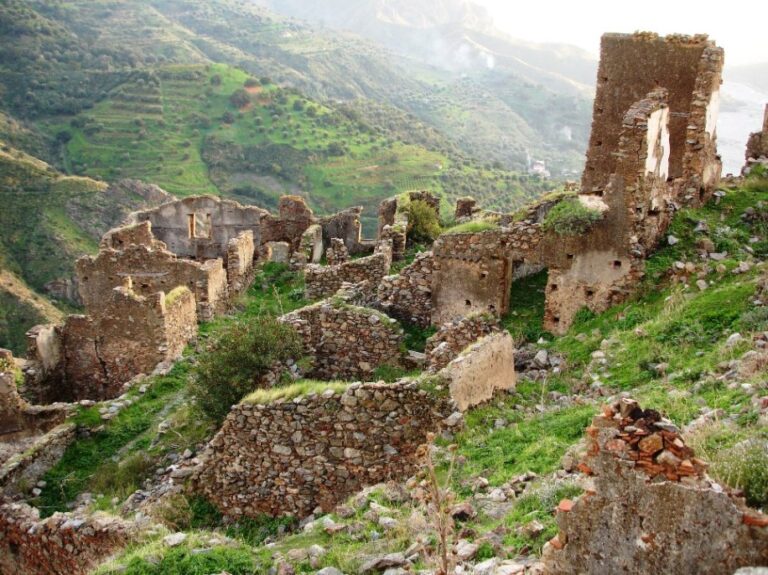
    The Rocca degli Armeni – the Rock of the Armenians – is a sandstone fortress in the abandoned medieval village of Bruzzano Vecchio, province of Reggio Calabria. Its name reflects the deep Armenian imprint on this corner of Calabria, still legible today in the landscape’s architecture, stone carvings, and place names. The Armenian presence in…

  • Santa Maria degli Armeni, Calabria

    Santa Maria degli Armeni is a small church located in the Rudina forest near Ferruzzano, in the province of Reggio Calabria, at an elevation of approximately 400 metres. It stands in an area long associated with Armenian presence in Calabria – a community with a particularly strong presence between the 6th and 9th centuries. The…

  • Via San Gregorio Armeno, Naples

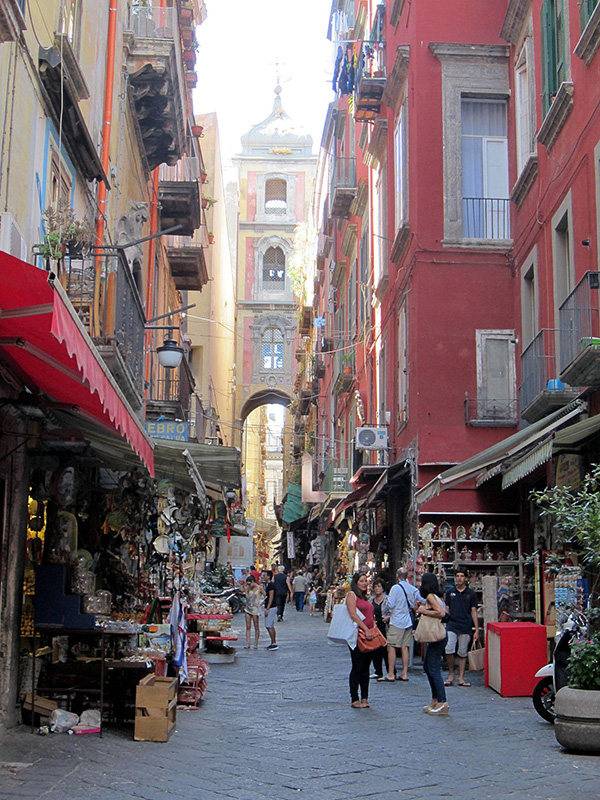
    Via San Gregorio Armeno is one of the oldest and most storied streets in the historic centre of Naples, running between two of the city’s ancient main arteries — Via dei Tribunali to the north and Spaccanapoli (Via San Biagio dei Librai) to the south. The street follows the layout of the ancient Greek city…

  • Church of San Gregorio Armeno, Naples

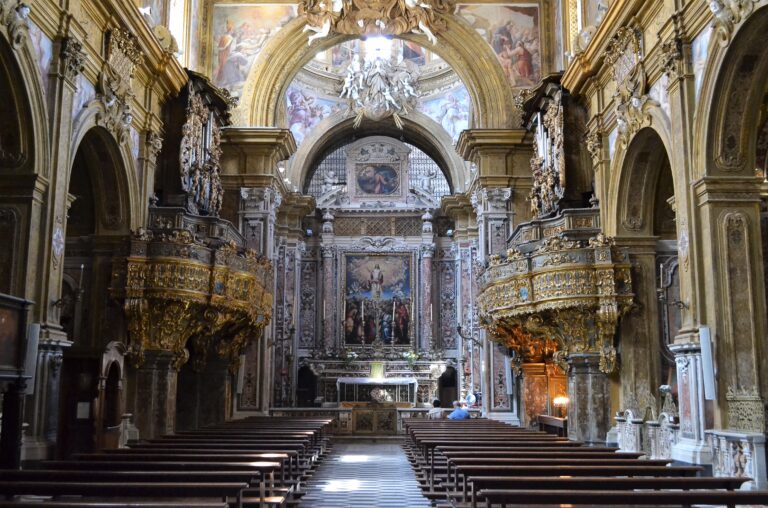
    The Church of San Gregorio Armeno is one of the most important Baroque complexes in Naples and one of the most remarkable monuments of Armenian heritage in all of Western Europe. Its origins lie in the 8th century, when a group of Byzantine nuns fleeing the iconoclast persecutions of Emperor Leo III arrived in Naples…

  • Church of Saint Gregory the Illuminator, Khartoum

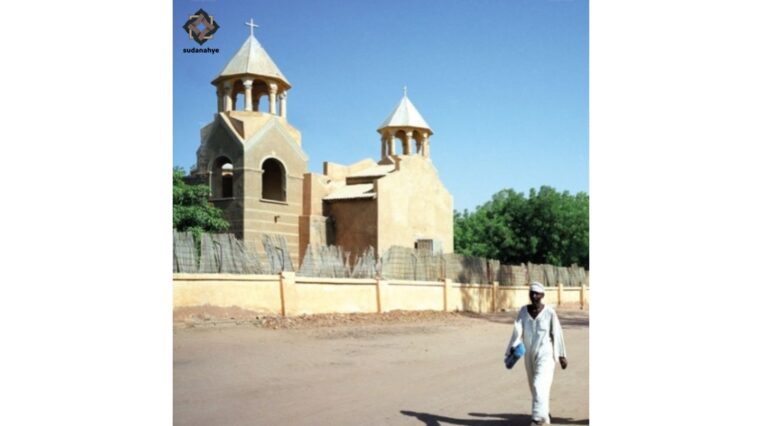
    The Church of Saint Gregory the Illuminator (Surp Krikor Lusavorich) in Khartoum was the spiritual centre of the Sudanese-Armenian community — a community that, at its peak, was prosperous, well-integrated, and deeply embedded in the social and economic life of Sudan, yet which has now almost entirely ceased to exist. Armenians first arrived in Sudan…

  • The Eternal Flame Armenian Genocide Memorial, London

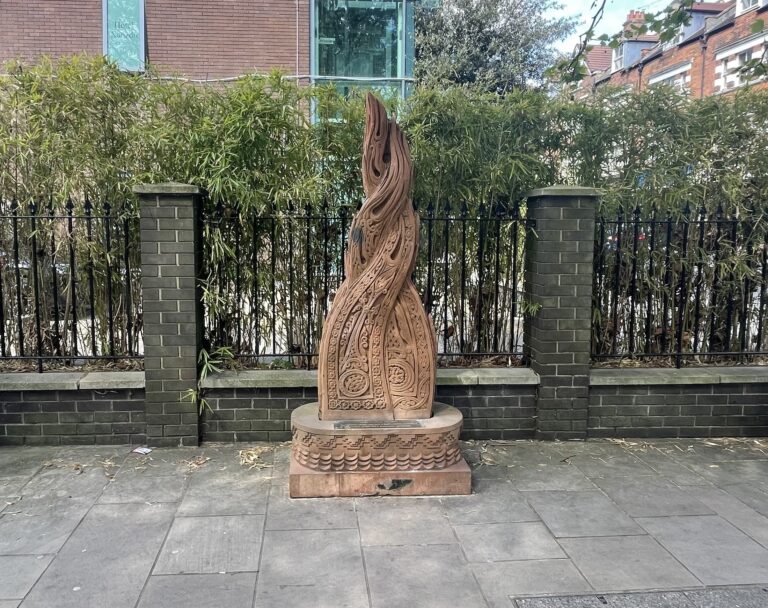
    The Armenian Community of Ealing, London, is the largest Armenian community in the United Kingdom. In early 2010s, British Armenians lobbied Ealing Council for official recognition of the Armenian Genocide and a memorial to the 1.5 million victims. On December 14, 2010, Ealing Council voted to officially and formally recognise the Armenian Genocide by the…

  • Kozan Castle

    Group: Military Structure Type: Castle Century: Geography: Adana, Mediterranean Region, Kozan, Turkey Latitude: 37.443043, Longitude: 35.809954 Alternative names: Sis Castle Contributed by: Culture Inventory

  • Rumkale

    Group: Military Structure Type: Castle Century: Geography: Halfeti, Şanlıurfa, Turkey Latitude: 37.271902, Longitude: 37.838288 Alternative names: Kale-i Zerrin, Kal-at el Müslimin Contributed by: Culture Inventory

  • Erzurum Bath

    Group: Social Structure Type: Bath Century: 18th century Geography: Erzurum, Lalapaşa (Yakutiye), Turkey, Yakutiye Latitude: 39.9103639, Longitude: 41.2733345 Alternative names: Cürübe Bath, Pastırmacı Bath, Fuadiye Bath Contributed by: Culture Inventory

  • Ani

    Group: Settlement Type: City, Archaeological Site Century: 11th century, 12th century, 5th century Geography: Kars, Central (Kars), Ocaklı, Turkey Latitude: 40.5098991, Longitude: 43.5723 Alternative names: Contributed by: Culture Inventory