
Nemrut
Group: Religious Structure Type: Monumental Tomb, Temple, Tumulus Century: 1st century BC Geography: Adıyaman, Kâhta, Turkey Latitude: 37.9806786, Longitude: 38.7408257 Alternative names: Contributed by: Culture Inventory
Group: Religious Structure Type: Monumental Tomb, Temple, Tumulus Century: 1st century BC Geography: Adıyaman, Kâhta, Turkey Latitude: 37.9806786, Longitude: 38.7408257 Alternative names: Contributed by: Culture Inventory
Group: Settlement Type: Ancient City, City Century: 8th century BC Geography: Altındağ, Ankara, Hacı Bayram, Turkey Latitude: 39.9417915, Longitude: 32.8544846 Alternative names: Ankyra, Angora Contributed by: Culture Inventory
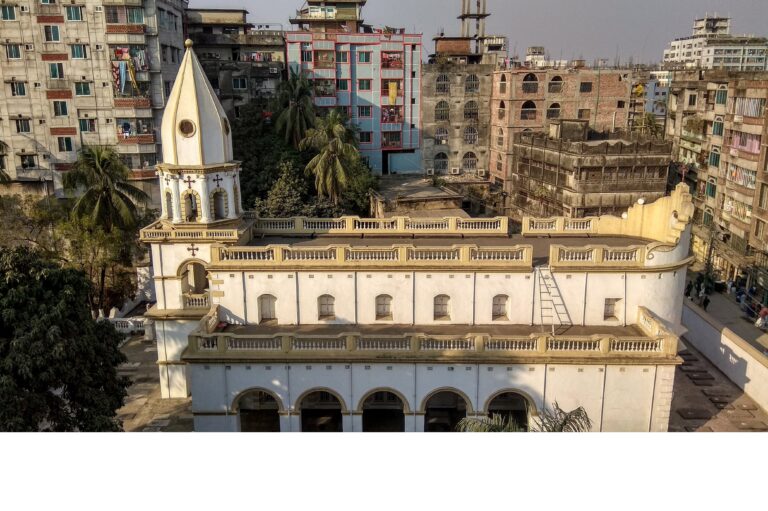
The Armenian Apostolic Church of the Holy Resurrection in Old Dhaka is one of the most improbable and moving monuments of the Armenian diaspora: a beautifully preserved 18th-century church in the heart of Bangladesh, in a neighbourhood still called Armanitola — “the place of the Armenians” — long after the community that built it has…
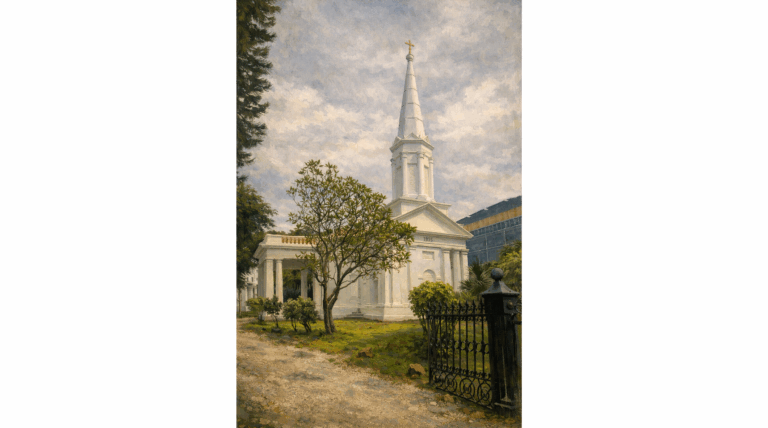
The Armenian Church of Saint Gregory the Illuminator, referred to locally as the Armenian Church, is the oldest surviving Christian church in Singapore, located at Hill Street in the Museum Planning Area, within the Central Area. The church was completed in 1835 and consecrated the next year. Originally a parish of the Armenian Apostolic Church,…
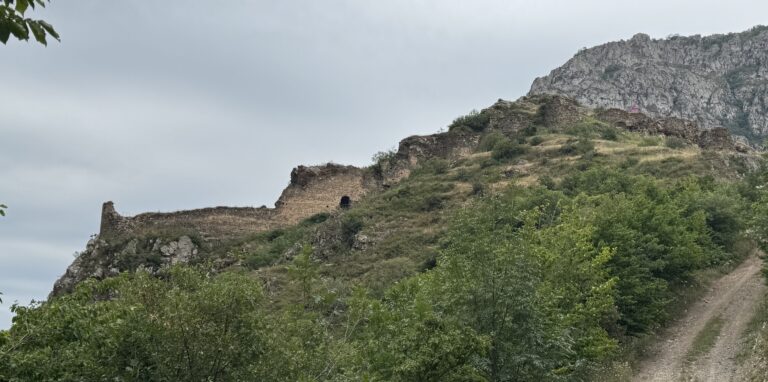
Baghaberd Fortress is a 4th to 12th century Armenian fortress located along a ridge overlooking the Voghji River, 14 kilometres (9 mi) northwest of the city of Kapan in the Syunik Province of Armenia. Baghaberd is at an elevation of 1,438 metres (4,718 ft). Baghaberd is thought to have been built in the 4th century…
The Calouste Gulbenkian Foundation was established in 1956 by the will of Calouste Sarkis Gulbenkian, a philanthropist of Armenian origin who lived in Lisbon between 1942 and 1955, the year he died. A Portuguese organisation established in perpetuity, the Foundation’s fundamental purpose is to improve people’s quality of life through art, charity, science and education….
Built in the late 1960s, based on a project by landscape architects António Viana Barreto and Gonçalo Ribeiro Telles, the Gulbenkian Garden is one of the most emblematic gardens of the Portuguese modern movement, with a use of vegetation which breaks with the practices of that time and celebrates the Portuguese landscape. Walking amongst the…
The Calouste Gulbenkian Foundation is an international foundation promoting the development of individuals and organisations through art, science, education, and charity, for a more equitable and sustainable society. The Calouste Gulbenkian Foundation was established in 1956 by the will of Calouste Sarkis Gulbenkian, a philanthropist of Armenian origin who lived in Lisbon between 1942 and…
The Calouste Gulbenkian Foundation is an international foundation promoting the development of individuals and organisations through art, science, education, and charity, for a more equitable and sustainable society. The Calouste Gulbenkian Foundation was established in 1956 by the will of Calouste Sarkis Gulbenkian, a philanthropist of Armenian origin who lived in Lisbon between 1942 and…
Gulbenkian Arts Centre is the University of Kent’s Arts Centre and has been at the heart of creativity in Canterbury for over 50 years, offering innovative, engaging and high quality arts activity for the public, staff and students. At Gulbenkian Arts Centre you will discover some of UK’s most innovative and exciting performers, as well…
Calouste Sarkis Gulbenkian (Գալուստ Սարգիս Կիւլպէնկեան) (23 March 1869 – 20 July 1955) was an Armenian businessman and philanthropist. He played a major role in making the petroleum reserves of the Middle East available to Western development and is credited with being the first person to exploit Iraqi oil. Following the “Red Line Agreement” (said…
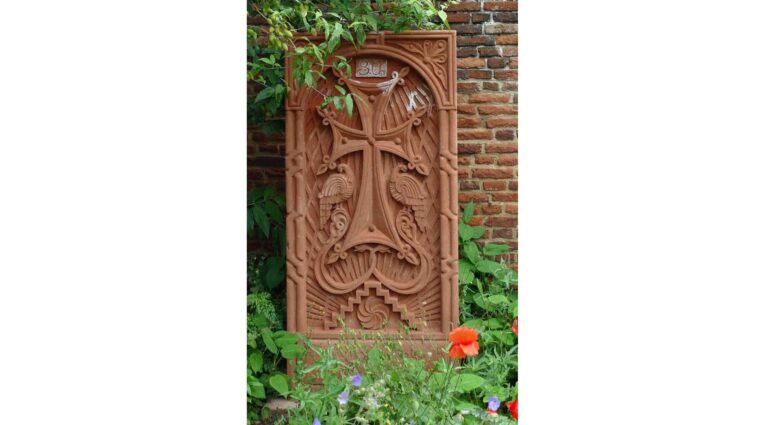
The khachkar was placed in the Canterbury Cathedral’s Memorial Garden in March 2019 to mark the end of WWI, remember the Armenian Genocide of 1915, and recall the memory of Randall Davidson (Archbishop of Canterbury 1903-1928), who worked tirelessly to save Armenians at that time. Above the head of the cross are the Armenian letters…